
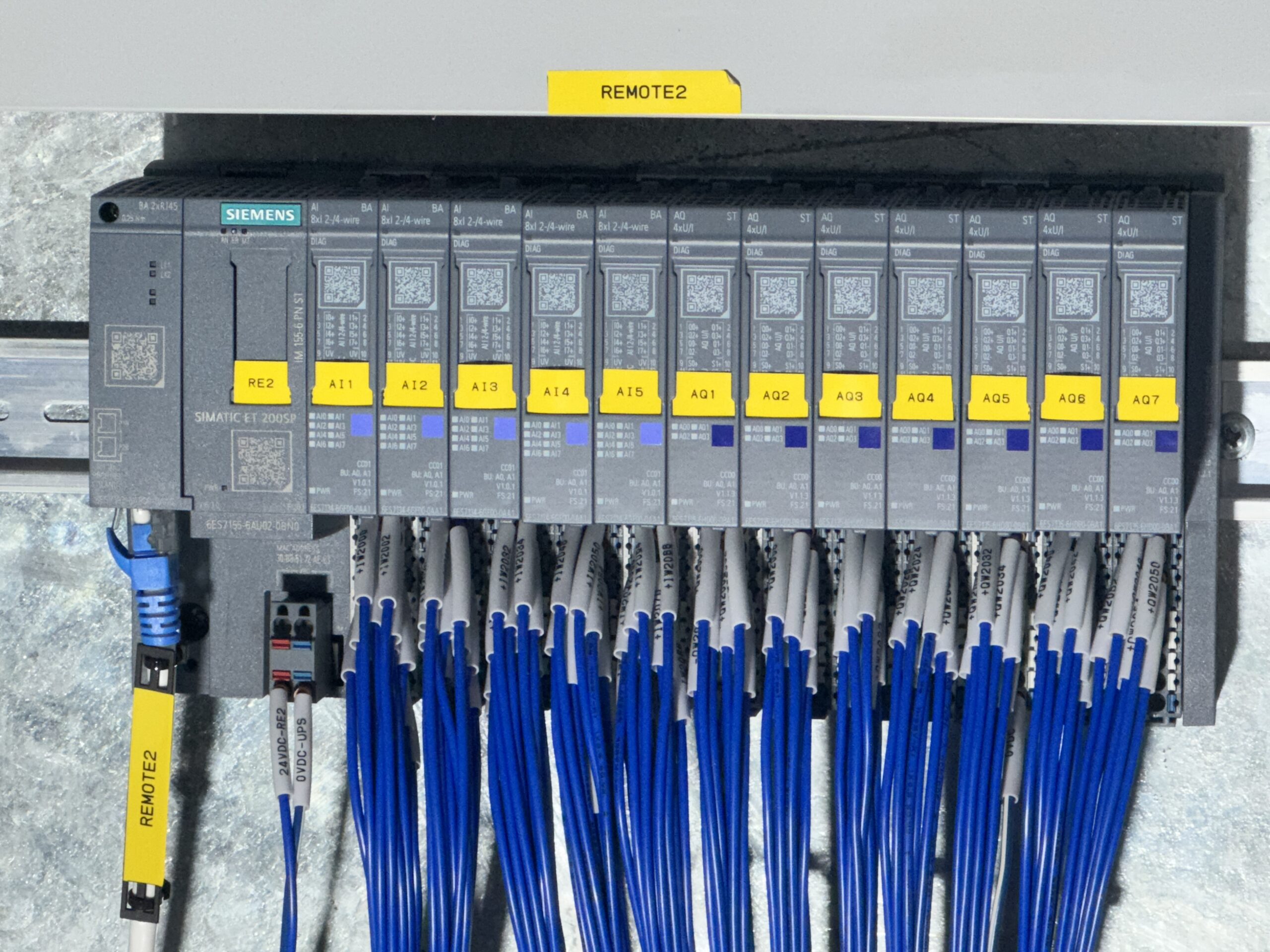
INSTRUMENTATION & SENSORS
We provide complete instrumentation and sensor solutions for industrial plants, focusing on accuracy, reliability, and seamless integration with PLC, SCADA, and AI-based monitoring systems.
Our instrumentation systems are designed to deliver real-time data for control, optimization, and predictive maintenance.
Instrumentation Systems We Handle
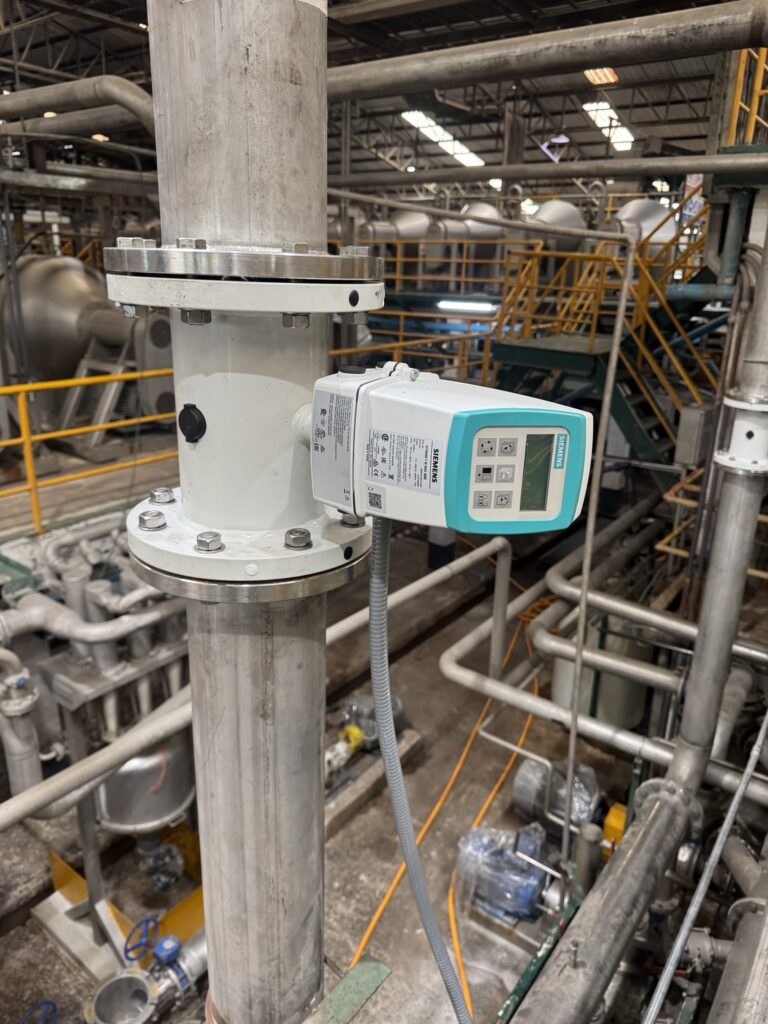
Level Measurement
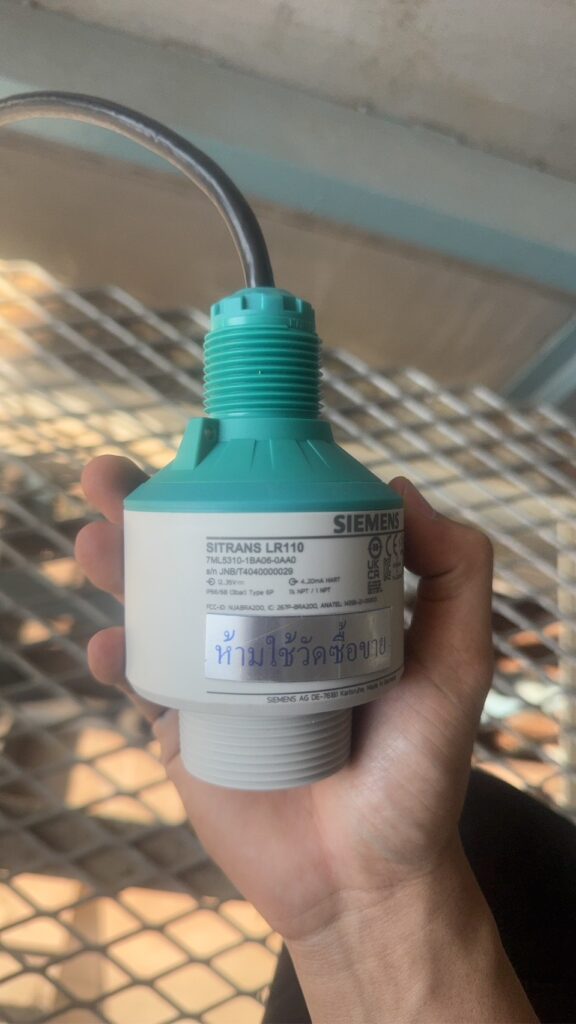
Pressure & Differential Pressure
Pressure Transmitter
Differential Pressure (DP) Transmitter
Filter & Pump Monitoring
Flow calculation using DP
Supports process control and equipment protection.
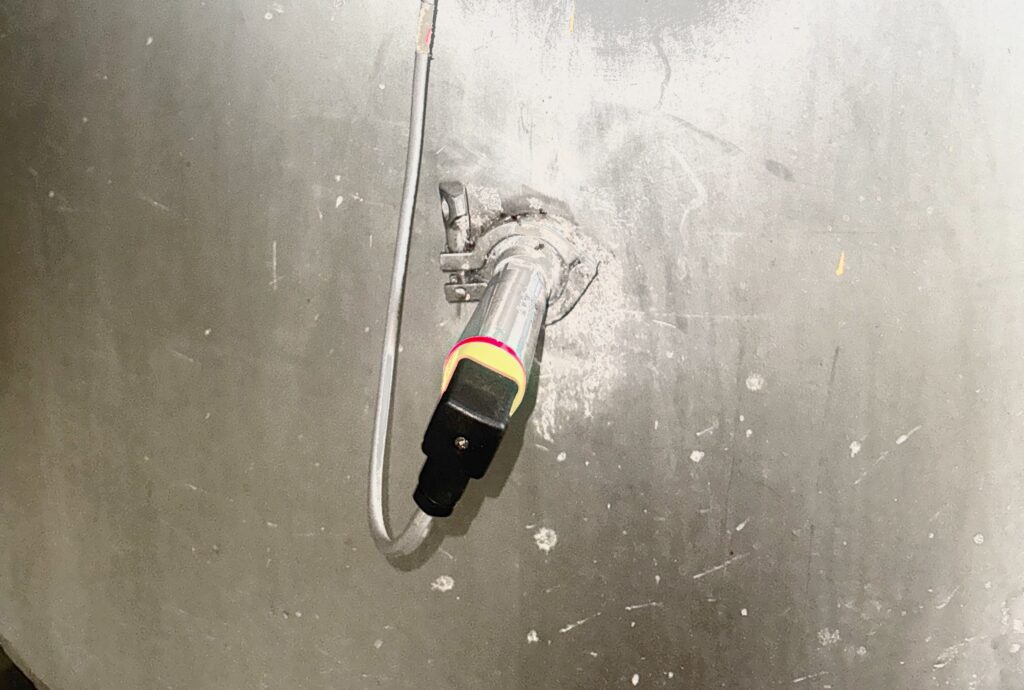
Our long-term experience in industrial automation allows us to design, integrate, and maintain PLC, SCADA, and instrumentation systems that operate reliably in real production environments.
We understand not only how systems work, but how they behave over time under actual plant conditions.
Our engineering team consists of experienced automation, electrical, and instrumentation engineers who specialize in:
PLC programming and system architecture
SCADA design, visualization, and data management
Instrumentation selection and signal integrity
Industrial networking and communication protocols
We focus on practical, stable solutions that are easy to maintain and expand in the future.
We provide full-cycle technical support covering:
System design & engineering
Installation & commissioning
Troubleshooting & optimization
Long-term maintenance and upgrades
Our service philosophy is to ensure system stability, minimize downtime, and support continuous plant operation.
- Industrial-grade accuracy
- Reliable long-term operation
- Seamless PLC & SCADA integration
- Ready for AI & digital factory systems
- Experience with real production environments
Why Choose Our Instrumentation Solutions
We follow industrial best practices for installation:
Proper sensor mounting & orientation
Shielded signal wiring & grounding
Noise and interference protection
Loop checking & calibration
FAT / SAT documentation
Ensuring long-term stability and measurement accuracy.