Benefits of Project
- Treated water quality held consistently within specification
- Lower fresh water intake through reliable recycling
- Chemical consumption matched to actual demand instead of fixed dosing
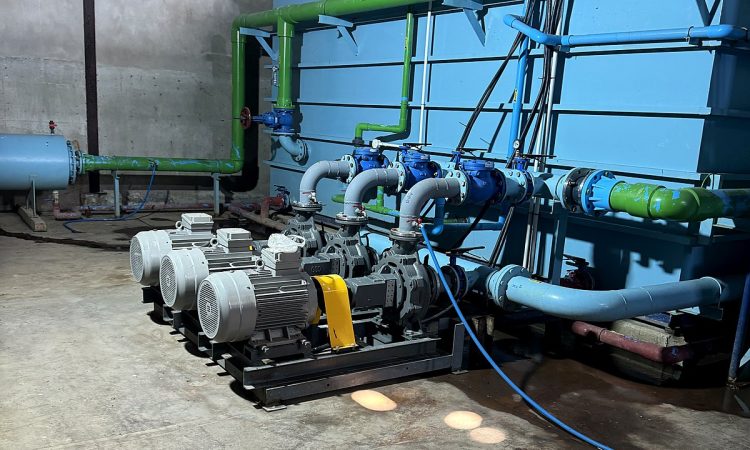
- Automatic duty and standby rotation that extends pump life
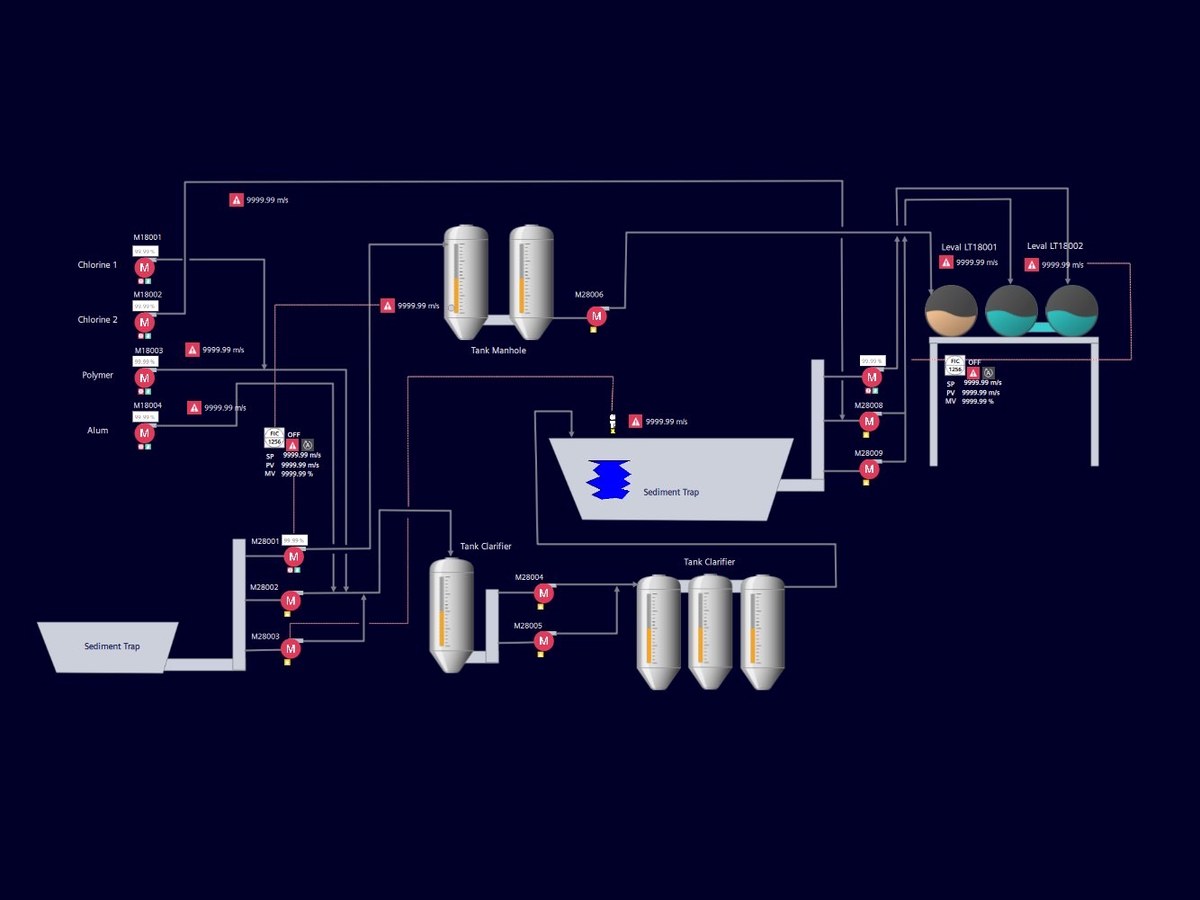
- Whole treatment train visible on one SCADA screen
- Records ready for environmental compliance reporting
- Every dosing point and pump controlled from one screen
- Dosing driven by measured flow and level, not a fixed setting
- Duty and standby rotation handled automatically
Technologies We Used
- SCADA process graphic for the complete treatment train
- PLC sequence control for dosing, clarification and transfer
- Chlorine, polymer and alum dosing pump control (M18001 to M18004)
- Transfer and recirculation pump control (M28001 to M28009)
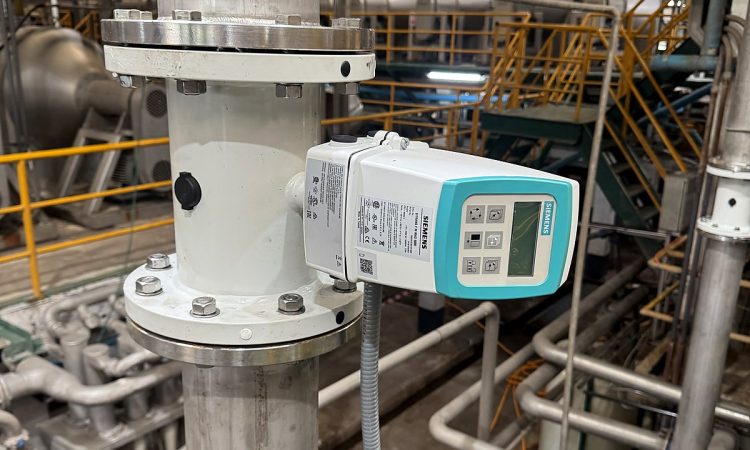
- Level transmitters LT18001 and LT18002 on the storage tanks
- Flow control loop with FIC set point, process value and output
- Sediment trap, clarifier and manhole tank monitoring
The Whole Treatment Train on One Screen
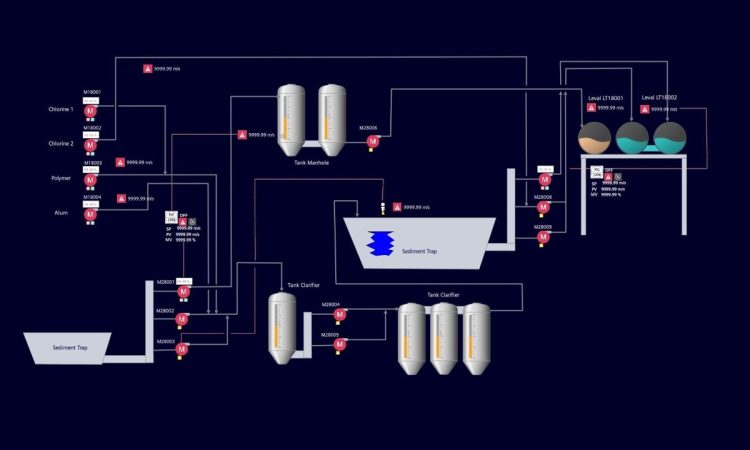
The SCADA graphic follows the water from the sediment trap through chemical dosing, clarification and storage. Chlorine, polymer and alum dosing pumps M18001 to M18004 sit on the left with their own run status and output percentage, transfer pumps M28001 to M28009 are shown in the position they occupy in the plant, and level transmitters LT18001 and LT18002 report the contents of the storage tanks. An operator sees the state of the whole train without changing page.
Dosing That Follows the Water
Chemical dosing is driven by measured flow and level through a flow control loop with its own set point, process value and output, rather than a fixed pump setting. The plant adds what the incoming water actually needs, which keeps treated quality inside specification when the load changes and removes the routine overdosing that a fixed setting requires as a safety margin.