Benefits of Project
- Braking energy returned to the network instead of wasted as heat
- Measurable reduction in electricity cost on high inertia equipment
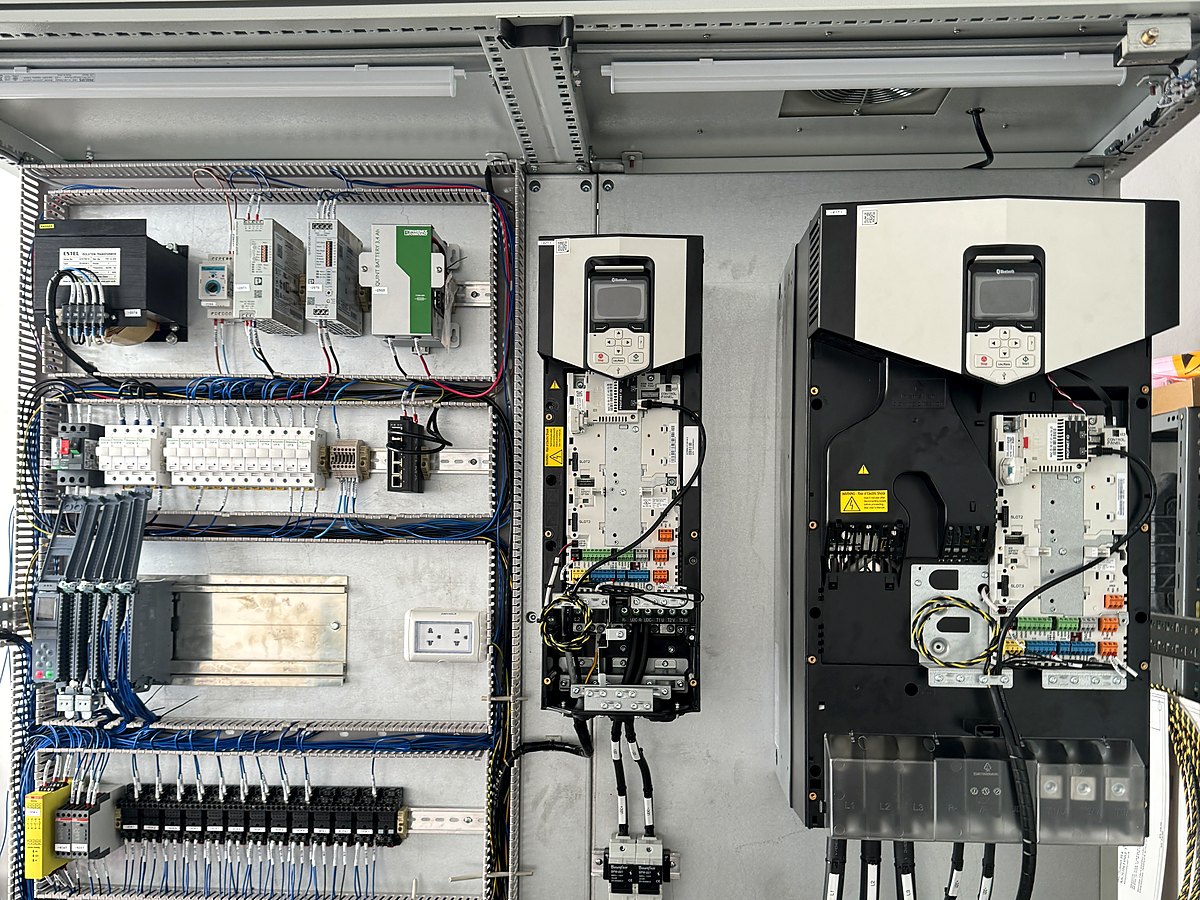
- Less heat load in the electrical room and lower cooling demand
- Braking resistors removed, reducing a common maintenance item
- Improved power factor and controlled harmonic distortion
- Regenerated energy measured before and after, not estimated
- Braking resistors and their heat removed from the panel
- Harmonic performance checked against the supply
Technologies We Used
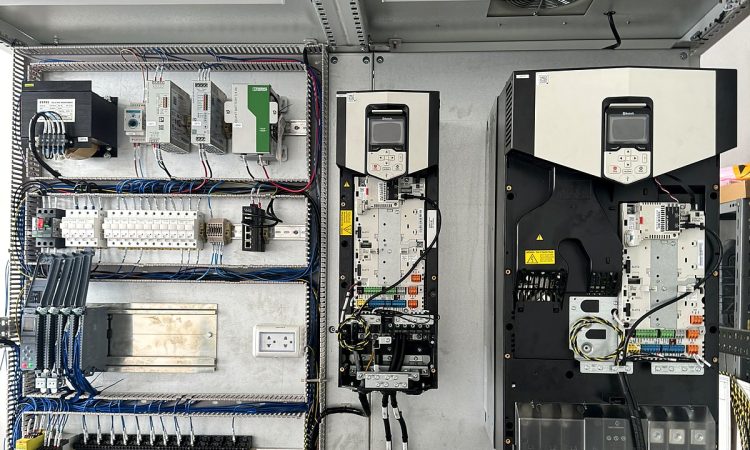
- ABB regenerative drive units
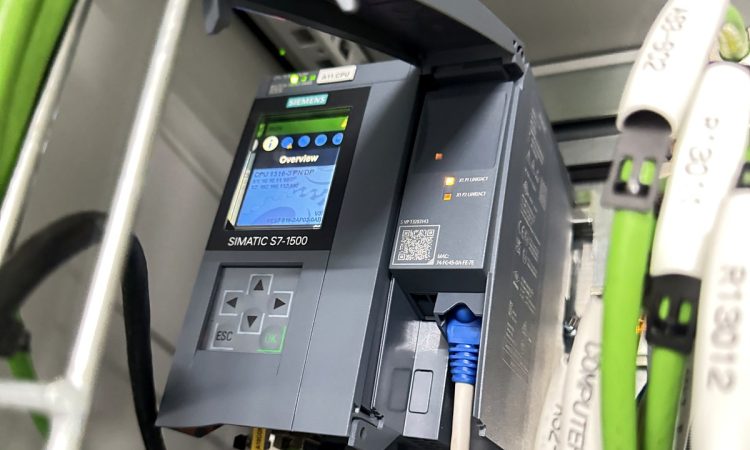
- Siemens SINAMICS Active Line Module
- Line reactors and harmonic filters
- Power quality and energy measurement
- Busbar and protection coordination
- DC bus and grid side parameter configuration
- Energy data integration into plant monitoring
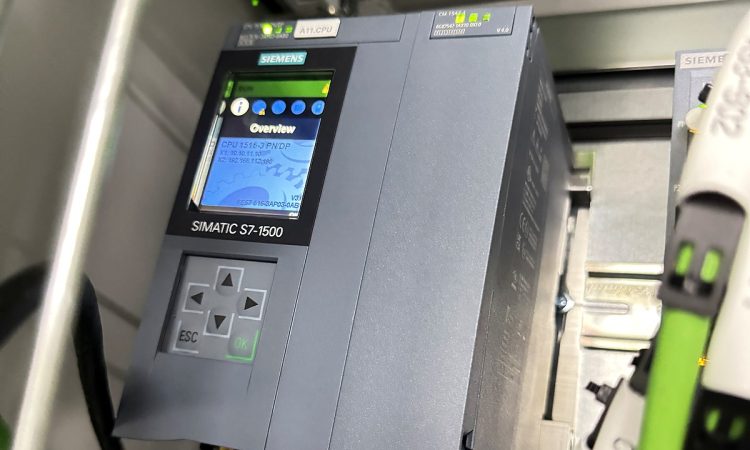
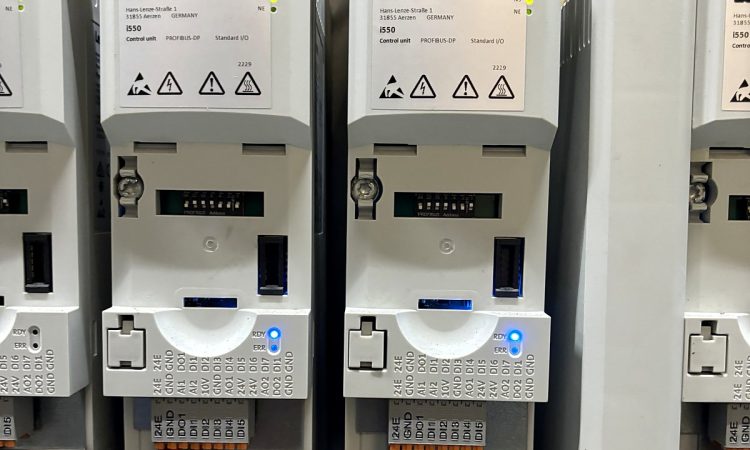
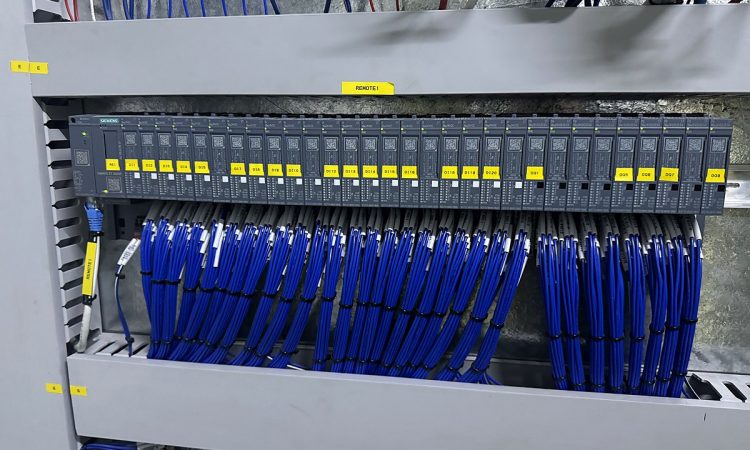
Braking Energy Turned Back into Supply
Centrifuges and other high inertia machines generate energy every time they decelerate. A standard drive burns that energy in a braking resistor, which wastes electricity and fills the electrical room with heat. A regenerative unit feeds it back into the network instead, so the same duty cycle costs less and the panel runs cooler.
Measured, Not Assumed
Power quality and energy consumption were measured before and after the change, so the saving is a recorded figure rather than a manufacturer claim. The same measurement also confirms that harmonic distortion stays inside the limit agreed with the utility, which protects other equipment on the same supply.