Benefits of Project
- Lower electrical energy consumption on variable load equipment
- Soft starting that reduces mechanical and electrical stress
- Accurate speed control that stabilises the process
- Built in motor protection and fault diagnostics
- Reduced maintenance cost and longer equipment life
- Every drive sized from a real motor and load survey
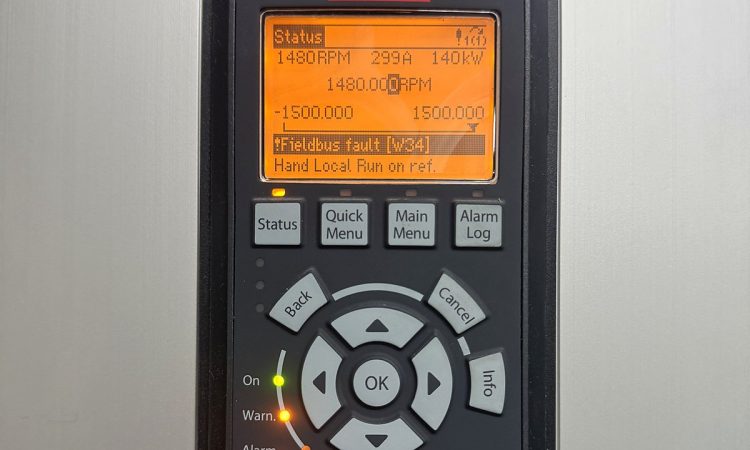
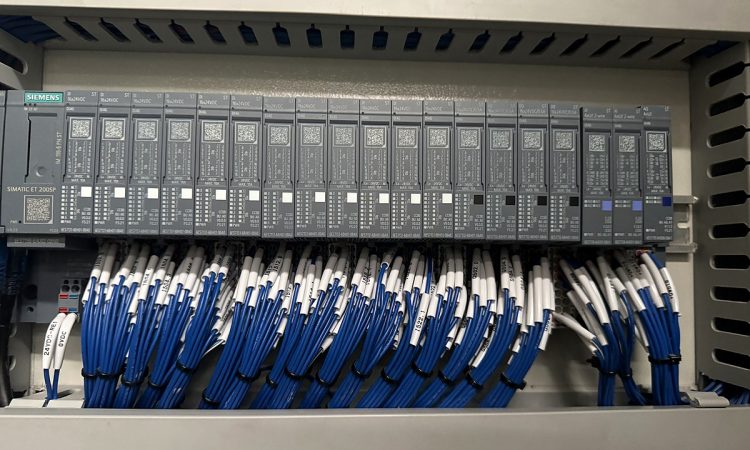
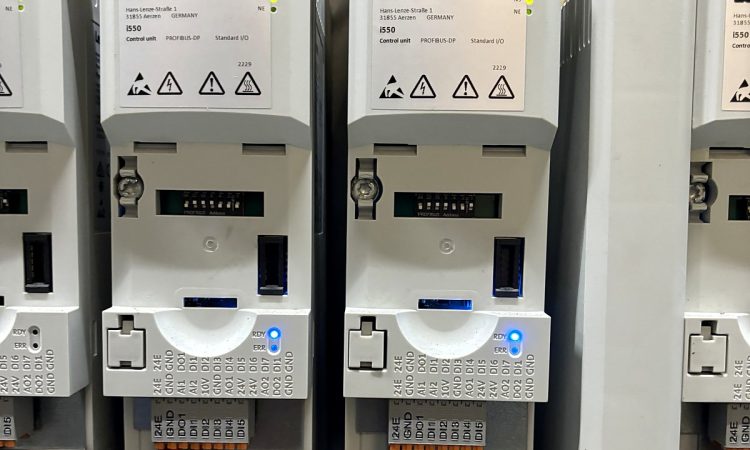
- Speed control integrated into the plant PLC over fieldbus
- Commissioned under load, not just bench tested
Technologies We Used
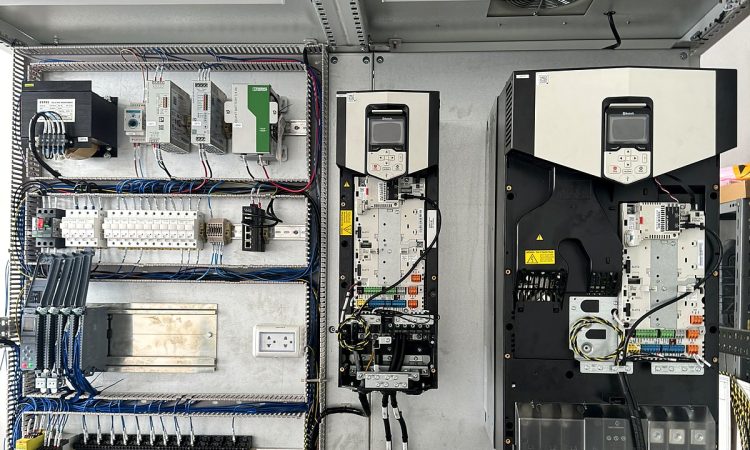
- ABB ACS580 and ACS880 drives
- Danfoss VLT AutomationDrive
- Siemens SINAMICS drives
- Allen-Bradley PowerFlex drives
- PROFINET, Ethernet/IP and Modbus integration
- Line reactors, filters and EMC compliant cabling
- Motor protection and thermal monitoring
Speed Matched to What the Process Needs
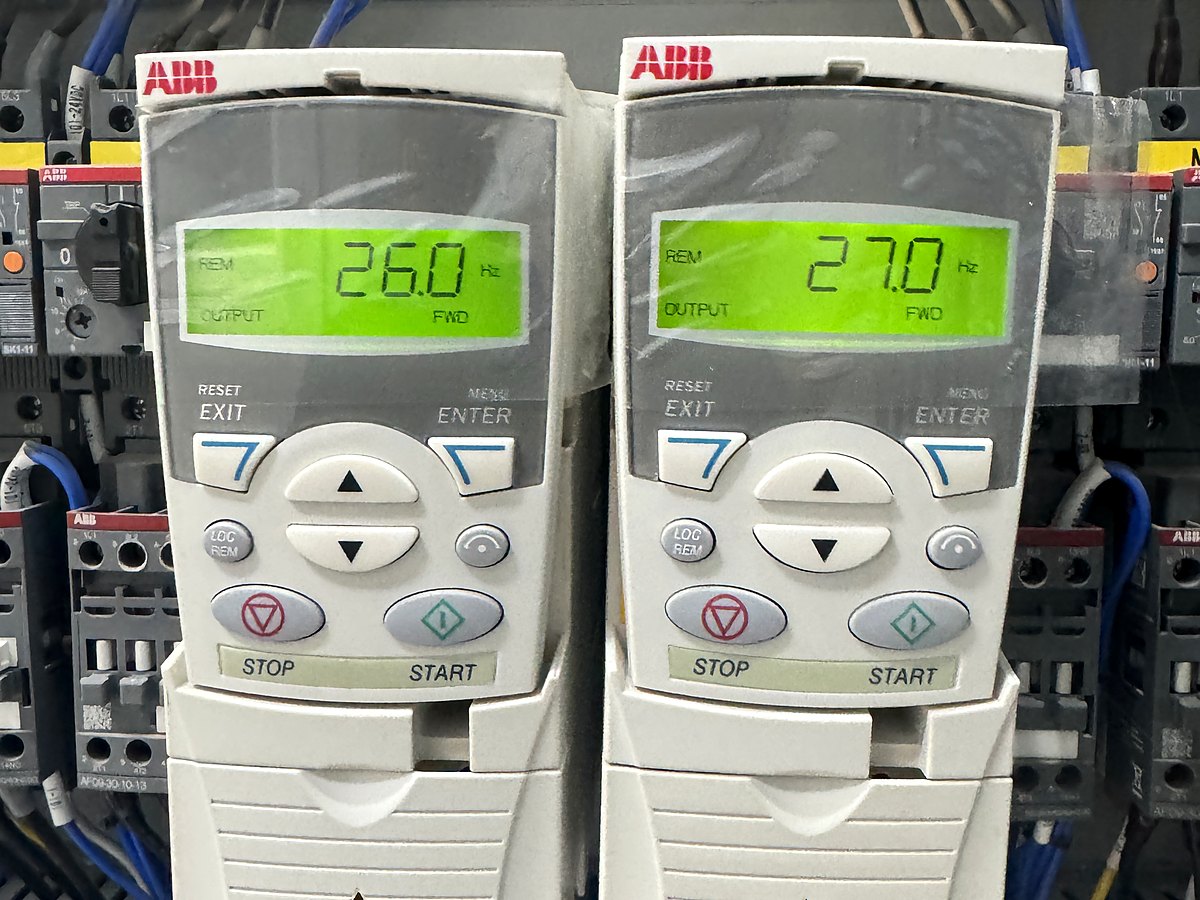
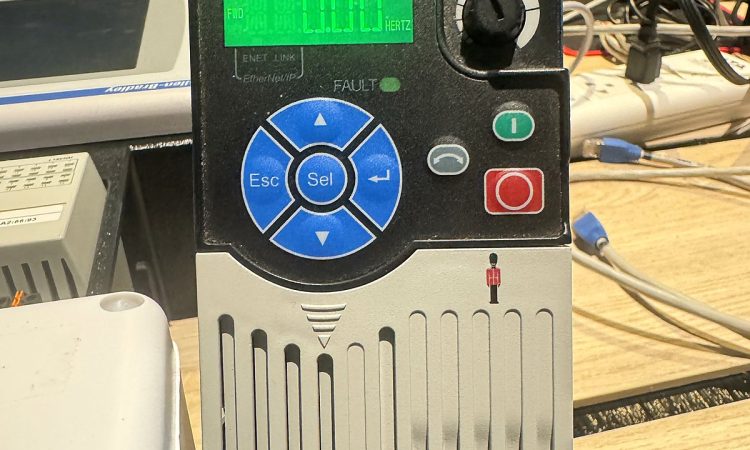
A fixed speed motor delivers full output whether the process needs it or not, and the excess is thrown away across a valve or a damper. Replacing the starter with an inverter lets the motor turn only as fast as the duty requires. On pumps and fans the saving follows the affinity laws, so a modest reduction in speed produces a large reduction in absorbed power.
Protection and Diagnostics Built In
Each drive continuously measures current, torque, temperature and DC bus voltage, so an overload, a phase loss or a blocked impeller is detected and logged before it becomes damage. The fault history stays in the drive and is also reported to the PLC, which gives the maintenance team a record to work from instead of a tripped breaker and a guess.