Benefits of Project
- Consistent washing quality regardless of root condition or operator shift
- Lower water consumption through controlled recirculation and staged washing
- Less sand and stone carried forward, protecting rasper blades downstream
- Stable feed rate to the production line instead of surge and starvation
- Fewer stoppages caused by blockage, thanks to interlocked sequence control
- Washing performance recorded and available for quality investigation
- Whole washing line controlled and interlocked as one sequence
- Water use managed rather than left running
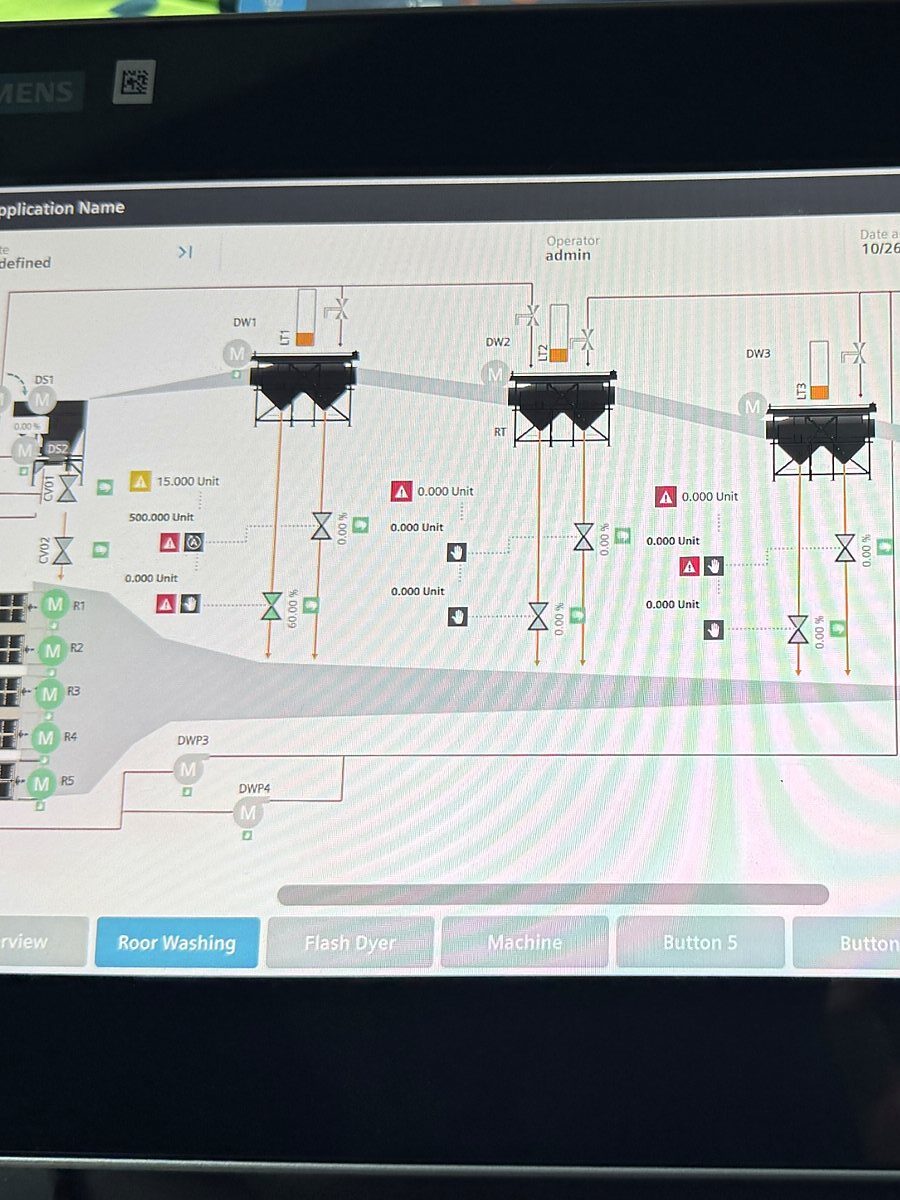
- Operator sees the full line on a single graphic
Technologies We Used
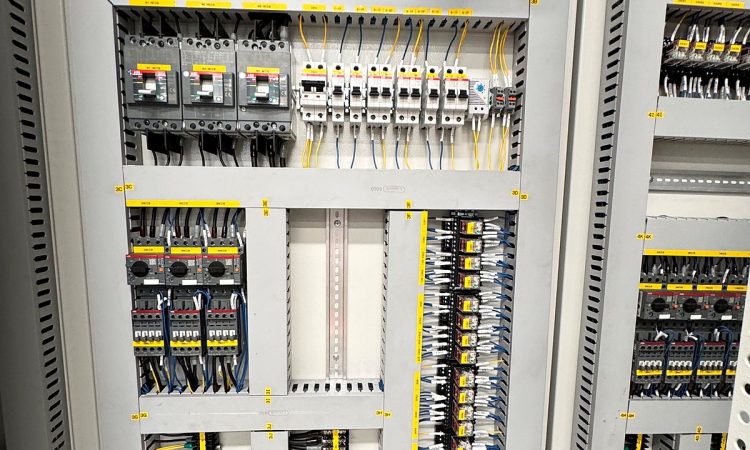
- Control panel designed, built and wired by KRS
- PLC sequence control for the complete washing line
- SCADA and HMI graphic covering root washing, dust trap and metering
- Motor control with soft start and overload protection
- Level, flow and speed instrumentation on the washing stages
- Interlock logic between feed, washing and discharge
- Alarm handling, event recording and production logging
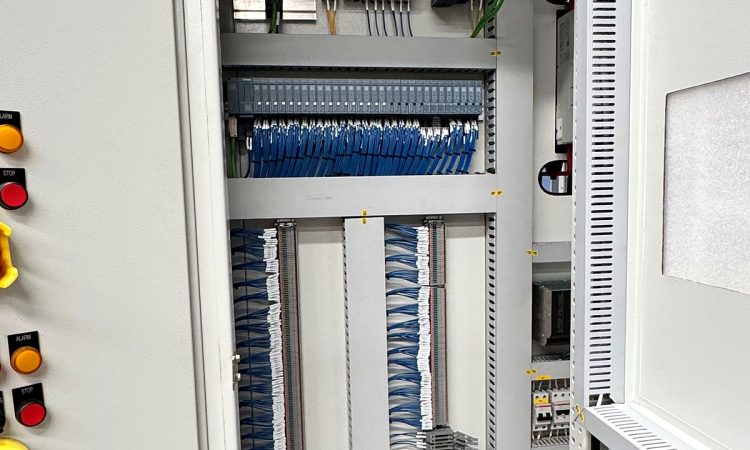
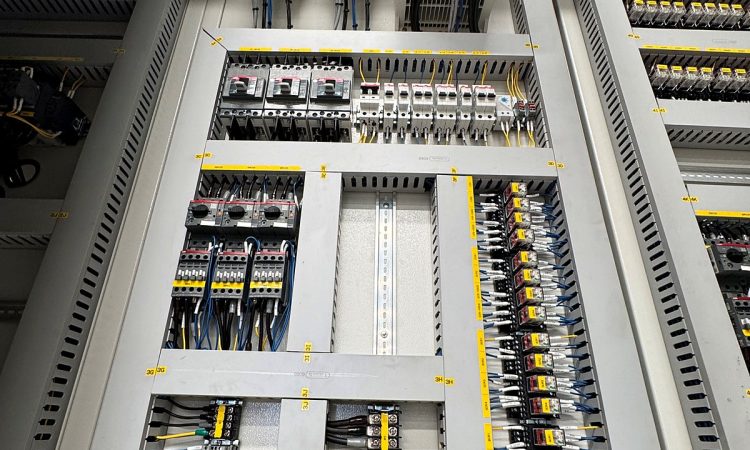
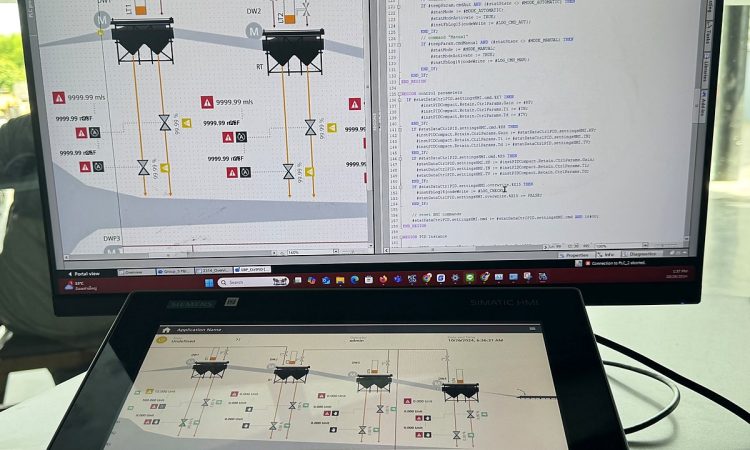
Washing Controlled as One Line, Not Separate Machines
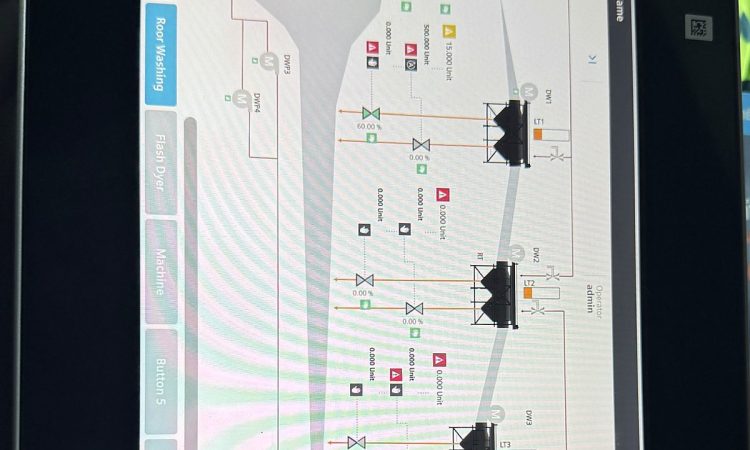
Root washing only works well when feeding, dry cleaning, washing and discharge run as a single coordinated sequence. The control system interlocks every stage so material cannot be fed into a section that is not ready, speeds are matched along the line, and a blockage anywhere stops the upstream equipment before it makes the problem worse. What the operator sees is one process graphic covering root washing, dust trap and metering, rather than a row of independent starters.
Cleaner Roots, Less Water
Sand and stone that survive the washing stage go straight into the rasper and shorten blade life, so washing quality is a maintenance issue as much as a quality one. Controlling water flow and recirculation by measurement rather than by an open valve keeps cleaning effective while cutting the volume of fresh water the plant draws, and the same measurements give the plant a record of how the line was actually run.